Student Life in Tbilisi 2026: Everything International Students Need to Know
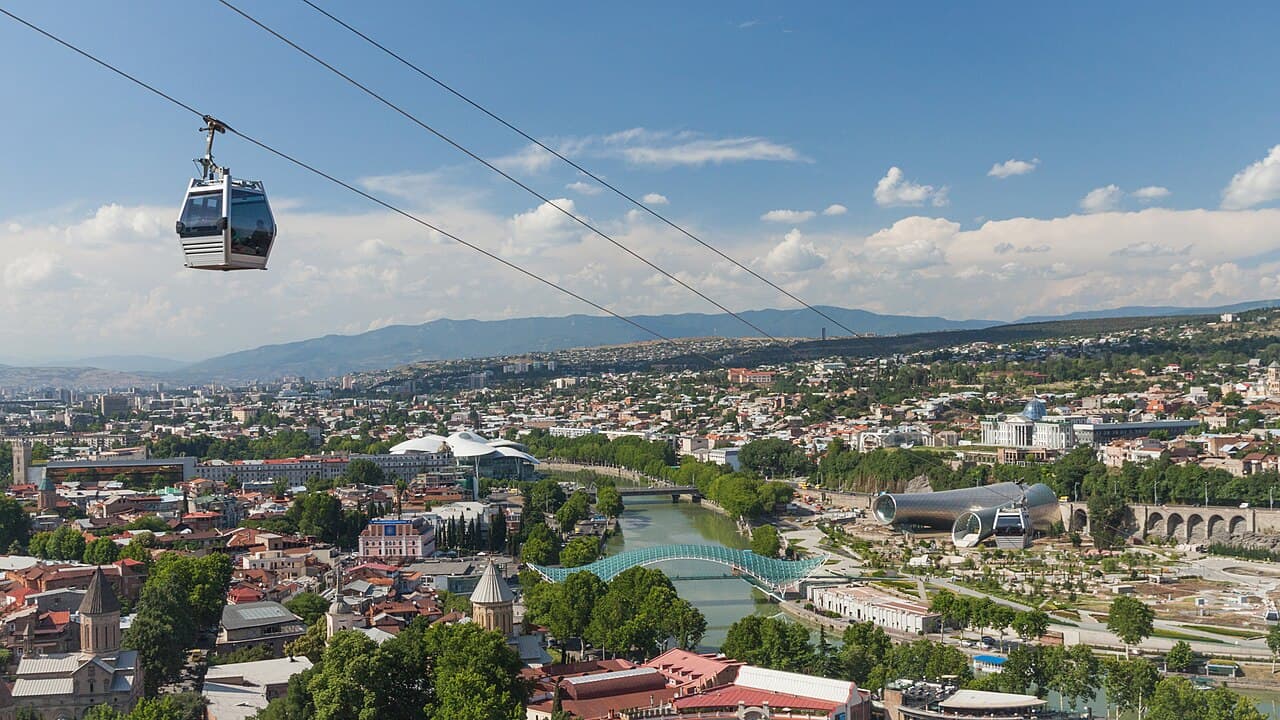
Tbilisi is not just another European capital. It is a city where you can eat a full meal for $3, rent a decent apartment for $200, walk through medieval streets into rooftop bars, and find khinkali on every corner. For international students, especially those coming from South Asia and the Middle East, it offers something rare: a genuinely affordable European lifestyle without the isolation of a small university town.
This guide covers everything you need to know about daily life as a student in Tbilisi in 2026 -- from neighborhoods and rent to halal food spots, transport hacks, and what the weather will do to you in January.
Finding Accommodation
Your biggest monthly expense will be housing, and your choice of neighborhood matters more than you might expect.
University Hostels vs Private Apartments
Most Georgian universities offer hostel-style accommodation for international students. Here is how the two main options compare:
| Factor | University hostel | Private apartment |
|---|---|---|
| Monthly cost | $80-200 | $200-500 (solo) / $100-250 (shared) |
| Privacy | Shared rooms (2-4 students) | Private room or full apartment |
| Location | On or near campus | Varies by neighborhood |
| Utilities included | Usually yes | Usually $30-60 extra |
| Internet | Included but variable speed | You choose your own plan |
| Kitchen | Shared communal kitchen | Private or shared kitchen |
| Flexibility | Semester contracts | Monthly leases available |
| Best for | First semester, tight budget | After you know the city |
Start in a hostel, then move
Most experienced students recommend living in a university hostel for your first semester. It gives you time to learn the city, make friends, and find the right apartment and roommate without rushing into a lease you cannot inspect beforehand.
Best Neighborhoods for Students
Saburtalo -- The student district. This is where most private universities are located, including Caucasus International University, University of Georgia, New Vision University, European University, and several others. You will find the highest concentration of international students, affordable restaurants, and essential services.
- Rent: $200-350 for a 1-bedroom / $150-200 per person sharing
- Vibe: Busy, practical, every convenience within walking distance
- Indian/Pakistani grocery stores are concentrated here
Vake -- One step up from Saburtalo in terms of quality and price. Wider streets, more parks, better cafes. Popular with students who have a slightly larger budget.
- Rent: $250-450 for a 1-bedroom / $175-250 per person sharing
- Vibe: Comfortable, green, mix of students and young professionals
Vera -- Between Old Tbilisi and Saburtalo. Artsy, quiet streets, close to Freedom Square. Good if you want the charm of old town living without being in the tourist zone.
- Rent: $200-400 for a 1-bedroom
- Vibe: Quiet, creative, walkable to the center
Didube -- More affordable than Saburtalo, with good metro access. The main bus station is here, so transport connections are excellent.
- Rent: $150-280 for a 1-bedroom / $100-170 per person sharing
- Vibe: Working-class, practical, less polished but very functional
Gldani / Mukhiani -- The most budget-friendly area. Soviet-era apartment blocks, but cheap and with a growing international student community. The metro reaches Gldani.
- Rent: $120-220 for a 1-bedroom / $80-130 per person sharing
- Vibe: Affordable, residential, 20-30 minutes to the center by metro
How to Find Apartments
- SS.ge -- The main property listing website in Georgia. Most listings are in Georgian, but you can use Google Translate. Prices are listed in USD.
- MyHome.ge -- Another popular listing site with English support
- Facebook groups -- Search for "Tbilisi Apartments for Rent" and "International Students Tbilisi Accommodation" groups
- Telegram groups -- Ask fellow students for invite links to student housing channels
- Your university's international office -- They often maintain lists of verified landlords
Rental safety tips
Never pay rent before physically seeing the apartment. Always get a written contract (even a simple one). Beware of "agents" asking for fees before showing properties. If you are arriving from abroad, ask EduGeo or your university to help verify accommodation.
Food: From Khinkali to Biryani
Food in Tbilisi is fantastic and affordable. Georgian cuisine is meat-heavy, bread-heavy, and cheese-heavy, which is great news for most students.
Georgian Food You Will Learn to Love
- Khinkali -- Giant soup dumplings, the national comfort food. 0.50-0.80 GEL each (about $0.20-0.30)
- Khachapuri -- Cheese-filled bread in multiple styles. Acharuli (boat-shaped with egg) is the most famous. $2-4 at a restaurant.
- Lobio -- Spiced bean stew served in a clay pot. $2-3.
- Mtsvadi -- Georgian-style grilled meat skewers. $3-5.
- Churchkhela -- Grape juice and walnut "candles." Sold on every street for $1-2.
Where to Eat on a Budget
| Option | Average meal cost | Notes |
|---|---|---|
| University canteen | $1.50-3 | Basic but filling, daily specials |
| Georgian cafeteria (sasadilo) | $2-4 | Local eateries with set meals |
| Bakery chains (Enrike, Puri Guliani) | $1-3 | Fresh bread, pastries, sandwiches |
| Fast food (Wendy's, McDonald's) | $4-7 | For when you miss chain food |
| Mid-range restaurant | $8-15 | Full meal with drinks |
| Cooking at home | $80-150/month | Most affordable option |
Halal Food Options
For Muslim students
Georgia has a native Muslim population (primarily in Adjara and the Pankisi Valley), so halal food infrastructure exists, especially in Tbilisi.
Halal restaurants and shops in Tbilisi:
- Aladdin Restaurant (near the central mosque) -- Middle Eastern cuisine, fully halal
- Istanbul Restaurant -- Turkish food, halal menu
- Several Iranian restaurants along Aghmashenebeli Avenue
- Muslim quarter near Maidan -- Small eateries and shops with halal meat
- Halal butcher shops -- Available in Saburtalo and near the mosque area. Ask local students for current locations as they change
Halal grocery shopping:
- Look for "halal" labels at Carrefour and Goodwill supermarkets
- Dedicated halal meat shops exist in the mosque area and Saburtalo
- Frozen halal chicken is available at most large supermarkets
Indian, Pakistani, and South Asian Food
The South Asian student community in Tbilisi has grown enough to support several food options:
- Indian grocery stores in Saburtalo -- You can find rice, dal, spices (turmeric, cumin, garam masala), atta flour, ghee, and Indian snacks
- Indian restaurants -- A growing number of restaurants serve biryani, butter chicken, and dosa. Names and locations change, so ask current students in WhatsApp groups.
- Cooking at home -- Many students from India and Pakistan cook together, sharing costs for groceries. A kilo of basmati rice costs about $2-3, and spices are affordable.
- Bazroba (central market) -- The largest market in Tbilisi sells fresh vegetables, fruits, and bulk grains at very low prices
Vegetarian and Vegan Options
Georgian cuisine has many vegetarian options by default:
- Lobio (bean stew)
- Pkhali (walnut and vegetable spreads)
- Badrijani nigvzit (eggplant with walnut paste)
- Khachapuri (cheese bread -- not vegan, but vegetarian)
- Ajapsandali (Georgian ratatouille)
For vegans, cooking at home is the most reliable option. Restaurants are getting better but vegan awareness is still growing.
Getting Around Tbilisi
Metro
Tbilisi has two metro lines with 23 stations. It covers the main student areas and is the fastest way to get across the city.
- Cost: 1 GEL per ride (about $0.37) with a Metromoney card
- Hours: 6:00 AM to midnight
- Frequency: Every 3-6 minutes during peak hours
- Student discount: Available with a registered student Metromoney card (0.50 GEL per ride)
Buses
An extensive bus network covers areas the metro does not reach.
- Cost: 0.50 GEL per ride with Metromoney (free transfer within 90 minutes)
- Coverage: Almost all neighborhoods including Gldani, Varketili, and suburban areas
- App: Use the Tbilisi Transit app or Google Maps for routes and real-time tracking
Bolt (Ride-Hailing)
Bolt is the dominant ride-hailing app in Tbilisi, similar to Uber (which also works but is less popular).
- Cost: Most rides within the city cost 3-10 GEL ($1.10-3.70)
- Night rides: Slightly more expensive, 5-15 GEL
- Best for: Late nights, heavy grocery runs, airport trips ($15-20 to the airport)
Walking and Cycling
Tbilisi's center is walkable, though hilly. If you live in Saburtalo and study nearby, you can walk to most things. Cycling infrastructure is limited but improving, especially along the river.
Marshrutkas (Minibuses)
These yellow minibuses run fixed routes and are the cheapest option for longer trips.
- Cost: 0.50-1 GEL
- Coverage: Urban routes and intercity connections (Tbilisi to Kutaisi, Batumi, etc.)
- Comfort: Basic, but functional
Monthly Transport Budget
| Level | Monthly cost |
|---|---|
| Metro + bus only | $15-25 |
| Metro + bus + occasional Bolt | $30-50 |
| Frequent Bolt user | $60-100+ |
Weather: What to Actually Expect
Tbilisi has a continental climate with hot summers and cold winters. This surprises many students from tropical climates.
Season-by-Season Breakdown
Spring (March-May)
- Temperature: 8-22 degrees Celsius
- Rainy in March and April, beautiful in May
- Best time of year for exploring the city
Summer (June-August)
- Temperature: 25-38 degrees Celsius
- Hot and dry, especially July
- Many students travel to Batumi (Black Sea) for the beach
- Some universities have reduced schedules
Autumn (September-November)
- Temperature: 8-25 degrees Celsius
- September is pleasant, October is beautiful with fall colors
- November gets cold and rainy
Winter (December-February)
- Temperature: -2 to 8 degrees Celsius
- Can drop to -10 on cold nights
- Some snow, mainly in January and February
- Apartments have heating, but carry warm clothes
Packing advice for South Asian and Middle Eastern students
If you are coming from a warm climate, invest in a proper winter coat, thermal layers, and waterproof boots before or shortly after arriving. You will need them from November through March. Budget $100-200 for winter clothing. Alternatively, buy in Tbilisi -- there are affordable clothing shops on Aghmashenebeli Avenue and in the Lilo Mall.
Mobile and Internet
Mobile Plans
Three providers dominate: Magti, Silknet, and Beeline.
| Provider | Student plan cost/month | Data | Notes |
|---|---|---|---|
| Magti | 15-25 GEL ($5.50-9) | 10-30 GB | Most popular, best coverage |
| Silknet | 15-25 GEL ($5.50-9) | 10-30 GB | Good in urban areas |
| Beeline | 10-20 GEL ($3.70-7.40) | 8-25 GB | Cheapest, decent coverage |
You can buy a SIM card at any provider's store with your passport. Most plans include generous data and free on-network calling.
Home Internet
If your accommodation does not include internet:
- Silknet fiber: 30-50 GEL/month ($11-18) for 50-100 Mbps
- Magti fiber: 35-55 GEL/month ($13-20) for 50-100 Mbps
Most shared apartments split this cost between roommates.
WiFi Around the City
Free WiFi is widely available at:
- Most cafes and restaurants
- McDonalds, Starbucks, Dunkin Donuts
- University buildings and libraries
- The metro (basic connectivity)
- Many public spaces
Banking and Money
Currency
Georgia uses the Georgian Lari (GEL). As of early 2026, 1 USD is approximately 2.70 GEL.
Banking Options
Opening a bank account in Georgia is straightforward for students:
- Bank of Georgia -- Largest bank, has an English-language app, accepts foreign passport for account opening
- TBC Bank -- Similar services, good mobile app
- Both banks offer free debit cards and online banking
Documents needed to open an account:
- Passport
- University enrollment letter
- Georgian mobile number
Money Transfer
- Wise (TransferWise) -- Best exchange rates for receiving money from home
- Western Union -- Available at many locations for cash pickup
- SWIFT bank transfers -- Direct but slower and with higher fees
- Crypto exchanges -- Some students use cryptocurrency for transfers (legal in Georgia)
Financial planning tip
Open a Georgian bank account in the first week. Carry enough USD or EUR cash for the first 1-2 weeks. After that, receive money from home via Wise or bank transfer. Avoid exchanging money at the airport -- rates are poor.
Student Communities and Social Life
Finding Your Community
International students in Tbilisi are well-connected through digital groups:
- WhatsApp groups -- Country-specific student groups (Indian Students in Georgia, Pakistani Students in Tbilisi, etc.). Ask your university's international office or EduGeo for invite links.
- Telegram channels -- General student information channels, housing alerts, event announcements
- Facebook groups -- "International Students in Georgia," "Tbilisi Expats"
- University student unions -- Most universities have formal international student organizations
Weekend Activities
Tbilisi and the surrounding area offer plenty for students:
In the city:
- Old Tbilisi walking tour (free, self-guided)
- Sulfur baths in Abanotubani ($10-20 for a private room)
- Narikala Fortress and cable car ($1)
- Chronicles of Georgia monument
- Mtatsminda Park (amusement park on a mountain)
- Dry Bridge flea market (every weekend)
- Art galleries and museums (often free for students)
Day trips from Tbilisi:
- Mtskheta (ancient capital, 30 minutes by marshrutka, $0.50)
- Kazbegi/Stepantsminda (mountain town, stunning views, $5-10 by marshrutka)
- Ananuri Fortress and Zhinvali Reservoir (half-day trip)
- David Gareja Monastery (desert monastery complex)
Longer trips:
- Batumi (Black Sea coast, 5-6 hours by train, $10-15)
- Kutaisi (second city, 4 hours by train, $5-8)
- Svaneti (mountain region, for trekking and adventure)
- Gudauri (ski resort, 2 hours from Tbilisi, season: December-April)
Nightlife
Tbilisi has a reputation as one of the best nightlife cities in Eastern Europe.
- Bassiani -- World-famous techno club in a former Soviet swimming pool
- Mtkvarze -- Club on a bridge over the river
- Dive bars on Shardeni Street -- Wine, cocktails, live music
- Fabrika -- Hostel-bar-coworking space, the international social hub
- Wine bars -- Georgia is the birthplace of wine. Explore natural wine bars in Vera and Old Town.
Cover charges at clubs: 20-40 GEL ($7-15). A glass of wine at a bar: 8-15 GEL ($3-5.50). Beer: 5-10 GEL ($1.85-3.70).
Sports and Fitness
- Gym memberships: 50-100 GEL/month ($18-37). Chains like Fitness Palace, Body Factory.
- Football: Student pickup games are common in parks. There are also indoor pitches for rent.
- Swimming: Public pools available at 5-10 GEL per session.
- Hiking: Tbilisi has trails within the city limits (Turtle Lake, Botanical Garden ridge, Mtatsminda).
- Skiing: Gudauri resort is 2 hours away, with student-friendly pricing.
Health and Wellbeing
Health Insurance
Health insurance is mandatory for international students in Georgia. Most universities require proof of insurance before enrollment.
- Cost: $200-400 per year for standard student health coverage
- Providers: Insurance companies like Aldagi, GPI Holding, IRAO, and IC Group offer student plans
- Coverage: Outpatient visits, hospitalization, emergency, and some dental
Hospitals and Clinics
- Aversi Clinic -- Large private network, some English-speaking staff
- Todua Clinic -- Good general care
- MediClub Georgia -- Premium private hospital, English-speaking
- University clinic/infirmary -- Basic care, usually free for enrolled students
For emergencies, dial 112 (universal emergency number in Georgia).
Pharmacies
Pharmacies (aptiaki) are everywhere in Tbilisi. The main chains are GPC, PSP, and Aversi. Many common medications are available without prescription and at lower prices than in Western countries.
A Realistic Monthly Budget
Here is what students actually spend in Tbilisi, based on conversations with current international students:
| Expense | Budget (USD/mo) | Comfortable (USD/mo) |
|---|---|---|
| Accommodation (shared) | $100-175 | $200-350 |
| Food (mostly cooking) | $80-150 | $150-250 |
| Transport | $15-25 | $30-50 |
| Mobile phone | $5-10 | $8-15 |
| Health insurance | $17-33 (annual/12) | $17-33 |
| Entertainment | $20-50 | $50-100 |
| Miscellaneous | $20-40 | $40-80 |
| Total | $257-483 | $495-878 |
Most international students spend between $350-600 per month on living expenses, not including tuition.
Tbilisi is genuinely affordable
Compared to other European capitals, Tbilisi offers 2-3x more purchasing power on the same budget. A student living comfortably here on $500/month would need $1,200-1,500 for a similar lifestyle in Prague, and $2,000+ in Berlin or Vienna.
Common Mistakes to Avoid
- Not bringing enough cash for the first week -- ATMs exist, but your foreign card might have daily limits. Bring $300-500 in cash as backup.
- Signing a lease without seeing the apartment -- Photos can be misleading. Always visit in person.
- Ignoring the weather -- Winters are real. Do not arrive in January with only summer clothes.
- Not joining student groups early -- The first month is when communities form. Join WhatsApp and Telegram groups immediately.
- Exchanging money at the airport -- The worst rates in the country. Use ATMs or city exchange offices instead.
- Overpacking -- Tbilisi has everything you need. Do not bring 6 months of supplies from home.
- Skipping health insurance -- It is mandatory and necessary. One hospital visit without insurance can cost more than a year of premiums.
Your First Week Checklist
Here is what to do in your first 7 days in Tbilisi:
- Register at your university and collect student ID
- Get a Georgian SIM card (Magti or Silknet)
- Open a bank account (Bank of Georgia or TBC)
- Set up Bolt on your phone
- Buy a Metromoney card for public transport
- Join student WhatsApp and Telegram groups
- Locate the nearest supermarket, pharmacy, and ATM
- Walk your neighborhood to learn the streets
- Find the closest halal shop or Indian grocery (if relevant)
- Activate health insurance and save the insurance card
Ready to Start Your Journey?
Tbilisi is a city that students fall in love with. It is affordable, safe, culturally rich, and full of surprises around every corner. The international student community is tight-knit and welcoming, and you will find support from fellow students who have walked the same path.
Explore available programs on our programs page to find the right university for you, or start your application and our team will guide you through every step, from admission to your first day on campus.